










I'm a follicular lymphoma survivor, and hearing others name the quiet, lasting changes of life after cancer made me feel seen and understood.
I'm a follicular lymphoma survivor, and hearing others name the quiet, lasting changes of life after cancer made me feel seen and understood.
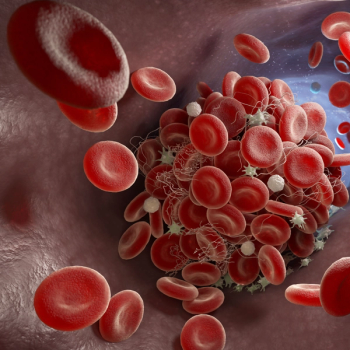
The FDA'S ODAC has casted their votes on the use of certain treatments in both the relapsed/refractory DLBCL and myeloma patient populations, respectively.

ZL-1310 earns fast track designation in extensive-stage small cell lung cancer after early trial data showed tumor shrinkage in most patients treated.

I’ve lived with large granular lymphocytic leukemia for 16 years and have learned to spend my energy wisely, embrace palliative care and choose joy over anger.
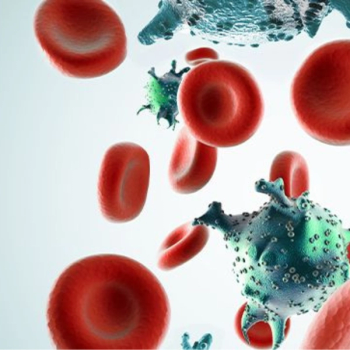
I found purpose after my AML diagnosis by reflecting on loss, embracing gratitude and using my experience to help others through their own cancer journeys.
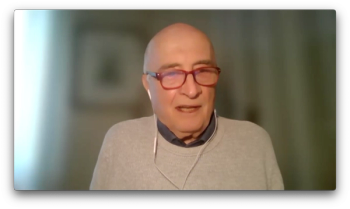
Arterial thrombosis may occur years before cancer diagnosis, suggesting it could be a risk factor, according to Dr. Tiziano Barbui.

Proton therapy may reduce urinary, bowel and sexual side effects in prostate cancer by minimizing radiation exposure to healthy tissue, per Dr. Curtiland Deville Jr.

I’ll never forget the unnamed nurse who stayed calm and gentle while treating me during a dangerous post-surgery infection that could have ended my life.

Tumors shrank more with the addition of acoustic cluster therapy to chemotherapy in colorectal liver metastases in the phase 1 ACTIVATE trial.

Dr. Kelly Stratton answered the most frequently asked questions in prostate cancer regarding localized prostate cancer care, including surgery and focal therapy.

CURE spoke with experts about what life is like for patients in the survivorship care period.
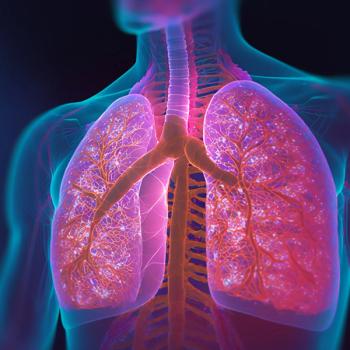
Younger patients with lung cancer are more likely to have mutations that allow for targeted therapies, which can lead to more personalized and effective treatment.
Carly Stafford Dixon, discusses how she approached fertility preservation after her diagnosis of primary mediastinal b-cell lymphoma, a rare blood cancer.

Melanoma care varies by stage, with early cases being treated with surgery, whereas advanced disease often requires immunotherapy or targeted therapy.

As a Lynch syndrome previvor, I feel deep gratitude to witness my son’s graduation — a milestone my brother never lived to see with his own child.
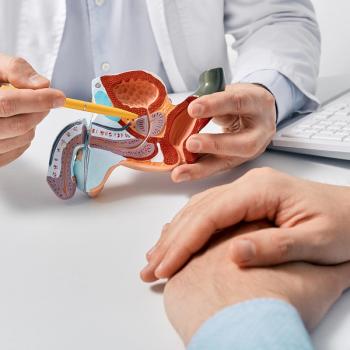
Dr. Kelly Stratton answers the most frequently asked questions in prostate cancer regarding risk for recurrence, progression and treatment options.
The first patient has received CX-801 plus Keytruda in a phase 1 trial for metastatic melanoma, aiming to assess safety and early antitumor activity.

Younger patients with grade 3 oligodendroglioma have fewer molecular abnormalities and longer survival than older patients, a study found.
Managing fatigue, sleep, urinary symptoms and depression is key to improving cognitive function in those receiving radiation therapy for prostate cancer.


Dr. Suresh Ramalingam discussed how the LAURA findings support the role of Tagrisso as a backbone therapy across multiple settings in EGFR-mutated NSCLC.
I’m a single mom with chronic lymphocytic leukemia sharing how cancer tested me but revealed my resilience, hardship and the power of speaking up.

Recently, the American Lung Association released the 2025 “State of the Air” report.

Press Release
Enclosed is the 2025 Quarter 1 – COA Patient Advocacy Network News Bulletin.

Dr. Daniel P. Petrylak discusses the different types of bladder cancer and how treatment options may vary based on disease stage and type.

Dr. Ranjit S. Bindra discusses recent advancements for the treatment of patients with primary brain tumors during Brain Cancer Awareness Month.

With proper precautions, international travel and safeguarding an arm with lymphedema are possible. Always prioritize your health and seek medical advice.

Recent phase 2 data support combination treatment with samuraciclib for those with HR+ advanced breast cancer following prior CDK4/6 inhibitor therapy.

Leronlimab increased PD-L1 in patients with triple-negative breast cancer, potentially making cold tumors responsive to immune checkpoint inhibitors.

Dr. Kara Kelly discusses specific long-term health considerations that AYA survivors of lymphoma should be aware of to best prepare for survivorship.