
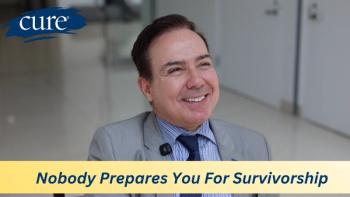
Psychologist Ian Sadler explains why many patients with cancer face anxiety and emotional challenges after treatment ends and why mental health support matters.
Psychologist Ian Sadler explains why many patients with cancer face anxiety and emotional challenges after treatment ends and why mental health support matters.

GLP-1 medications offer cancer survivors a tool to manage treatment-related weight gain through coordinated care.
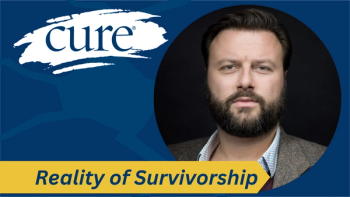
Edward Miskie shares how survivorship can feel isolating, inspiring the Remission Film Festival to spotlight the emotional realities after treatment.

Transitioning from active cancer treatment brings a new kind of uncertainty. Learn how to navigate life when the medical guardrails are removed.
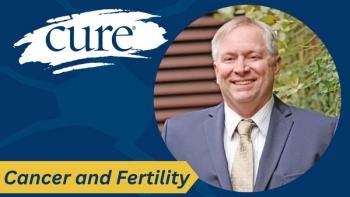
Dr. Tony Anderson speaks about fertility preservation options for men and women before cancer treatment, emphasizing early testing and timely referral.
Dr. Tony Anderson discusses key questions after a cancer diagnosis and fertility planning.
Dr. Anderson explains that the window following a cancer diagnosis represents a pivotal period for patients to make informed decisions about fertility preservation.
Tamera Anderson-Hanna reflects on survivorship, redefining life with family, travel, purpose and giving back while embracing time as a precious guide.
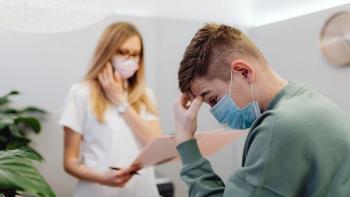
A 30-year study reveals one in six AYA cancer survivors develop a new primary neoplasm, with risks highest for breast and oral cancer survivors.
An oncology social worker discusses the unique psychosocial challenges younger adults face during cancer treatment and survivorship.
My smile today is one of compassion. It’s a smile that welcomes the stranger I meet. It radiates joy and presence.
Experts highlight the need for tailored care strategies to address fertility, financial strain and survivorship challenges in younger adults with cancer.
AI is being used across cancer care for prevention, diagnosis, treatment, survivorship and end-of-life support, improving efficiency while posing deskilling and cognitive risks.
For patients navigating a cancer diagnosis, there is a hidden complication that requires vigilance: the risk of a pulmonary embolism.

We often face difficult decisions with patients and family members. Are the side effects of treatment worth the benefits? Is cure achievable, and at what cost?
Dr. Marleen Meyers discusses improving survival rates, the evolving needs of younger cancer survivors and how caregivers can sustain long-term support.
Experts say resilience helps patients with cancer adjust emotionally and physically after treatment, easing fear of recurrence and supporting long-term recovery.
Rodney Haring discusses Indigenous navigation, partnerships and prevention strategies to reduce cancer disparities and improve equity in Native communities
Dr. Rodney Haring discusses strategies to reduce cancer mortality among Native Americans through patient navigation, clinical trials and tribal sovereignty.

A national report finds cancer workforce shortages and administrative burdens may delay care, with solutions focused on training and efficiency.
ACS data show rising five-year survival and shifting cancer care toward survivorship, access to novel therapies and prevention as incidence climbs.
For many patients with cancer, it is never too soon to begin discussing fertility preservation options as they begin their cancer journeys.
A myeloma survivor in long remission shares how research, expert care and advocacy turned fear into hope as more patients live longer after cancer
Rising cancer rates in young adults highlight the need for employer support, flexible work and whole-person health programs to improve outcomes.

Exploring the importance of heart health in cancer survivorship, we spoke with experts and survivors.

New research shows specific chemotherapies and radiation increase the risk of subsequent brain tumors in long-term childhood cancer survivors.
Dr. Elias Obeid says ongoing monitoring after treatment helps detect recurrence early and identify late effects, supporting survivorship for patients.
Fred Batchelor, a liver cancer survivor, shares lessons on advocacy and why World Cancer Day keeps patients, families and their communities engaged.
In honor of World Cancer Day, CURE sat down with experts and advocates to discuss the importance of this initiative.
Dr. Obeid says genetics and ongoing monitoring guide treatment and survivorship helping patients and families plan ahead and detect recurrence earlier.