

Conference Coverage
about 10 hours ago
What New KRAS Drug Data From ESMO 2026 Mean for Patientsabout 1 month ago
3 More Lung Cancer Breakthroughs From WCLC 2026about 1 month ago
Top 3 Takeaways From WCLC 2026 That Patients Should KnowLatest Content

Oct 26, 2026 | News
CAR T-Cell Therapy Shows Promise for Patients With Hairy Cell Leukemia
A Path to a Transplant: Kidney Failure and Hairy Cell Leukemia
Oct 26, 2026
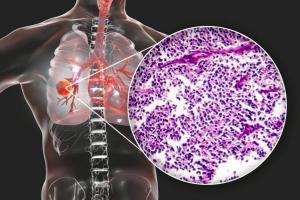
Imdelltra Plus Imfinzi Extends Survival in Small Cell Lung Cancer
Oct 26, 2026

FDA Approves Talzenna Plus Xtandi in Hormone-Sensitive Prostate Cancer
Oct 26, 2026

What New KRAS Drug Data From ESMO 2026 Mean for Patients
Oct 26, 2026







Advertisement
Shorts

1:11
Psycho-Oncologist Answers 5 Common Questions About the Emotional Impact of Cancer
7 days ago
by
Dr. Ramy Sedhom

1:40
How a Second Opinion Saved Her Life
8 days ago
by
Spencer Feldman
1:00
How Hair Loss During Lymphoma Treatment Can Reshape a Patient's Sense of Self
19 days ago
by
Kaitlyn M. Le
1:30
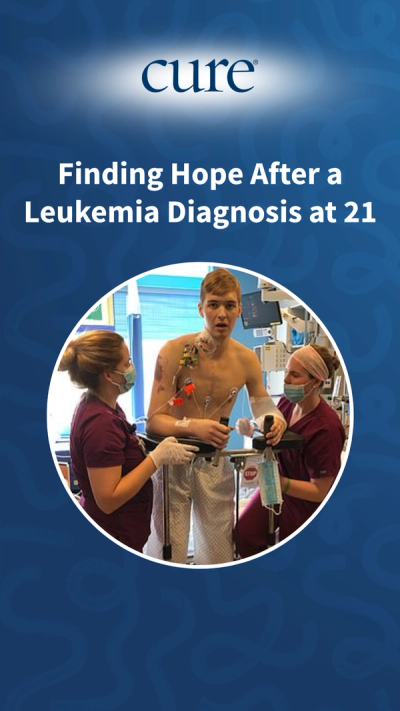
Finding Hope After a Leukemia Diagnosis at 21
a month ago
by
Kaitlyn M. Le
1:00
The Future of CAR T Cell Therapy for Leukemia
a month ago
by
Kaitlyn M. Le
0:42
The Era of More Chemotherapy is Over
a month ago
by
Dr. Guenther Koehne

0:44
10 Things That Got Me Through Treatment feat. Sally Kalksma
a month ago
by
Sally Kalksma
1:10
Through LMD Treatment, Her Daughter Kept Her Going
a month ago
by
Kaitlyn M. Le
0:19
Rethinking Treatment Sequencing in HER2-Mutant Lung Cancer
a month ago
by
Kaitlyn M. Le

0:23
How AI Is Changing Cancer Care
a month ago
by
Dr. Maurie Markman











Videos


All News
Advertisement
Advertisement

Two federal laws, the Family and Medical Leave Act and the Americans with Disabilities Act, can protect people with cancer and their caregivers at work. Here is who qualifies, what each law covers and how to ask for leave or changes at wor
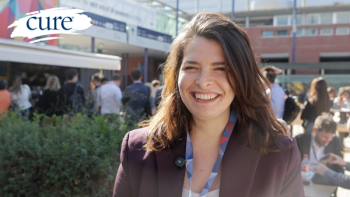
An expert at ESMO 2026 explains how liquid biopsy and ESR1 testing can help guide treatment for people with HR-positive metastatic breast cancer.

After 19 years of survivorship, one cancer survivor reflects on life's changing seasons, managing scan anxiety and finding support beyond treatment.

Psychiatrist Dr. Yesne Alici of Memorial Sloan Kettering Cancer Center answers questions about family relationships during cancer, from asking for help to talking with children and friends.

Among more than 12,000 cancer survivors 65 and older, those who stayed physically active after diagnosis tended to have lower health care costs, an American Cancer Society study published Oct. 21, 2026, in CANCER found.

The FDA grants traditional approval to Keytruda and Keytruda Qlex for TMB-H solid tumors, updating the threshold to at least 13 mutations per megabase.

Martha Carlson reflects on her 11 years with metastatic breast cancer and explores how resilience, purpose and the stories we tell ourselves shape the cancer experience.
A study found that 1 in 9 older cancer survivors developed a second cancer, highlighting why routine screening remains important beyond five years.
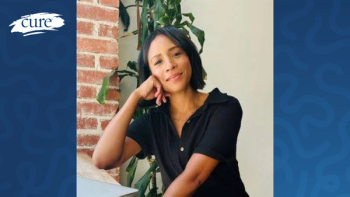
After breast cancer at 30, Aisha shares her journey through motherhood, a double mastectomy, body image struggles and the challenges of survivorship.
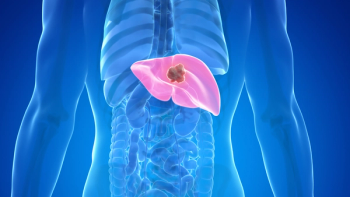
Learn why hepatitis B can reactivate during cancer treatment, which therapies increase the risk and how antiviral medicines can help protect liver health.
Advertisement

After her sister’s Hodgkin lymphoma diagnosis, remission and relapse, a caregiver reflects on follow-up care, guilt and finding hope between cancer battles.
After a pancreatic cancer diagnosis upended his life and career, one survivor reflects on treatment, resilience and finding hope more than a decade later.
The American Society of Hematology published 2026 guidelines for adults with myelofibrosis on Oct. 14, 2026, with 10 recommendations on genetic testing, JAK inhibitors, anemia, transplant referral and aspirin.

A study found that sentinel lymph node biopsy rarely missed remaining cancer in patients with locally advanced breast cancer whose lymph nodes responded to chemotherapy before surgery.
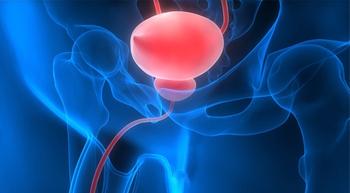
Alternating two long-used bladder treatments cleared cancer in 24 of 25 patients whose disease had returned after BCG, an early study found. A larger trial comparing the approach with BCG alone is now enrolling.
Advertisement
Advertisement
Trending on CURE
1
FDA Approves Talzenna Plus Xtandi in Hormone-Sensitive Prostate Cancer
2
What New KRAS Drug Data From ESMO 2026 Mean for Patients
3
Working During Cancer Treatment: Your FMLA and ADA Rights
4
What Liquid Biopsy and ESR1 Mutations Mean in Breast Cancer
5