
A study found exercise after treatment boosts cancer survival, prompting experts to call for structured movement as a standard part of survivorship care.
A study found exercise after treatment boosts cancer survival, prompting experts to call for structured movement as a standard part of survivorship care.

I was sitting in my oncologist's office, listening to her explain my treatment plan, when a strange thought crossed my mind: this feels familiar.

The challenges of being diagnosed with a rare cancer are real, but so is the strength that comes from thriving through it.
Pelvic health therapist Dr. Alison Ankiewicz helps women manage pain, intimacy issues and bladder or bowel problems that can follow cancer treatment.

The New Jersey retreat is free for women during and two years after cancer treatment.

A breast cancer survivor reflects whimsically on how she might have aged with two breasts instead of one.

Alison Ankiewicz explains how pelvic physical therapy restores tissue, sexual function and emotional confidence for patients after cancer treatment.

I was diagnosed with colon cancer at 17, and while I’ll always be part of the AYA community, turning 40 has shown me the gift of growing older.
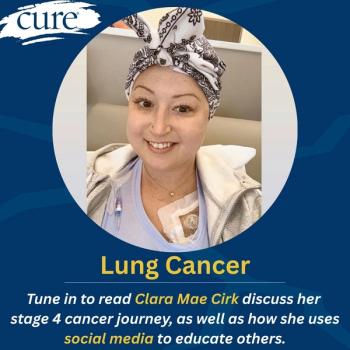
Clara Mae Cirk, a 30-year-old who was diagnosed with stage 4 lung cancer, opens up about her journey and using social media as an outlet to educate others.

I share practical strategies for living well with cancer, from research and self-care to support, creativity, and wise giving.
Kristen Dahlgren of the Cancer Vaccine Coalition spoke with CURE about patients’ need to find reliable sources of information.
Kristen Dahlgren of the Cancer Vaccine Coalition spoke with CURE about why she remains hopeful for the future or cancer vaccines.
CURE spoke with an expert about the needs of children in families living with cancer during back-to-school season.

I share how my friendship with advocate Amy Byer Shainman helped me navigate hereditary cancer, showing that real support comes from empath and honesty.

CURE spoke with a clinical social worker about issues faced by families dealing with cancer as kids return to school.

Breast cancer survivors who lost ≤5% of body weight with diet and exercise experienced greater weight loss, improved function, and less pain with Contrave.
Dena Paluck, whose daughter Laura had osteosarcoma, volunteers with Hopeful Hearts to connect parents of children with cancer to support networks.
Cancer treatments can speed up aging in survivors, according to research, which can contribute to a person's risk for conditions like heart disease.
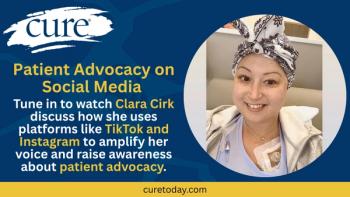
Clara Cirks is a stage 4 lung cancer patient who uses platforms like TikTok and Instagram to amplify her voice and raise awareness about patient advocacy
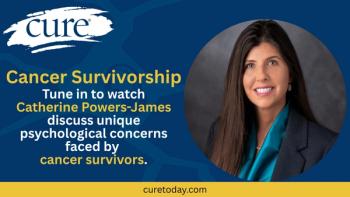
CURE spoke with an expert about specific psychological concerns faced by cancer survivors.
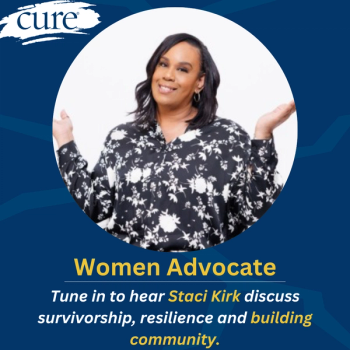
Staci Kirk, a six-time cancer survivor, founded the Stiletto Boss Foundation to empower women through mentorship, self-advocacy and healing.
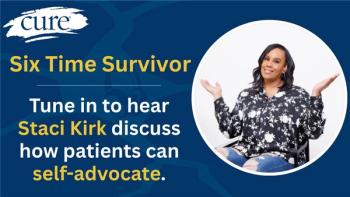
Six-time cancer survivor Staci Kirk urges patients to trust their bodies and speak up to ensure their needs are understood and addressed throughout cancer care.

Watching a true-life story about a woman’s battle with cancer has given me a new perspective on life.
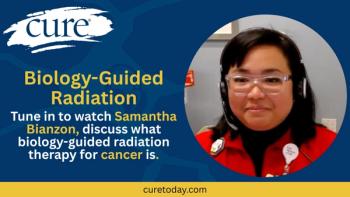
Samantha Bianzon explained what biology-guided radiation therapy for cancer is, as well as highlighted how it may differ from the more traditional types of radiation.
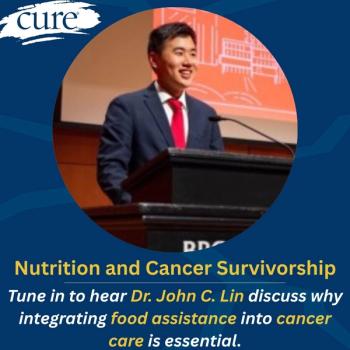
Food insecurity is linked to a 28% higher risk of death among cancer survivors compared with those who have never received a cancer diagnosis, a new study found.

Dr. Lorenzo Cohen and Alison Jefferies discuss small yet meaningful changes that patients can make to their home environment to foster a sense of wellness.
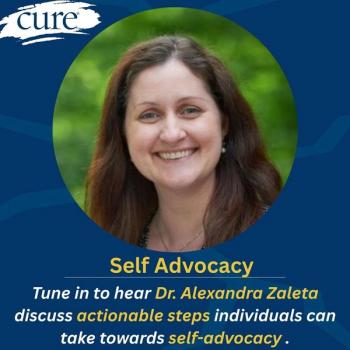
Dr. Alexandra Zaleta discussed actionable steps that individuals can take to advocate for a more person-centered insurance practice approach.
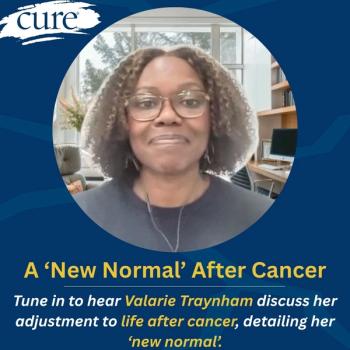
Valarie Traynham sat down for an interview in CURE in which she discussed adjusting to life after cancer, detailing her ‘new normal.’
Dr. Alexandra Zaleta discussed the impact of administrative delays and insurance red tape experienced by patients with advanced cancer.

Prehabilitation and early screening, including BIS, can ease recovery, reduce side effects and help manage lymphedema after breast cancer treatment.