








It’s easy to fall into depression and anxiety during long hospitalizations for cancer, but creativity helped pull me out of those negative feelings.
It’s easy to fall into depression and anxiety during long hospitalizations for cancer, but creativity helped pull me out of those negative feelings.

From democratic Rep. Sheila Jackson Lee’s death from pancreatic cancer to the rock band, Widespread Panic, canceling shows due to their guitarist’s diagnosis, here’s what’s happening in the oncology space this week.

When I was diagnosed with leukemia in 2004, it was before the days of social media. However, I still found an online support group that was very helpful.
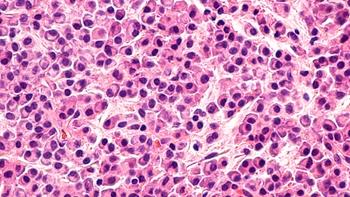
“Patients did great” with a four-drug regimen for multiple myeloma, an expert told CURE®.

For certain patients with cancer, scalp cooling to reduce chemotherapy-related hair loss may be a beneficial option.

From a testicular cancer scare to colon and skin cancers, my body is a roadmap of my cancer experiences.

Sequencing the novel drug, THIO, with Libtayo tended to be tolerable in patients with non-small cell lung cancer, recent research showed.

From radiopharmaceuticals to hypofractionated radiation therapy, one expert explained the current landscape of radiation treatments for prostate cancer.
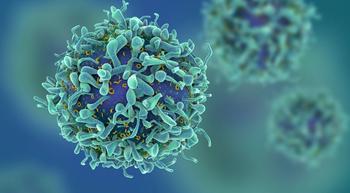
Treating patients with CAR-T cell therapy Breyanzi may change the paradigm for those with relapsed or refractory mantle cell lymphoma, an expert said.

We asked oncology experts what questions patients should ask their doctors soon after receiving a cancer diagnosis. This is their advice.

I get upset when I read something thinking it’s true and then find out later it isn’t, especially when it’s something important regarding cancer or lymphedema.
Eighty percent of patients with relapsed or refractory Waldenstrom’s macroglobulinemia responded to treatment with iopofosine I 131, researchers found.

My diagnosis of neuroendocrine carcinoma gave me a new perspective on life.

Reduced doses of radiation were shown to be effective for some patients with indolent orbital B-cell lymphoma, researchers said.

Here are answers to 10 questions patients asked at the CURE® Educated Patient® Metastatic Breast Cancer Summit about scans, treatment and clinical trials.

A friend of mine is strong in her faith and is living well with a stage 4 cancer diagnosis. She is someone I look up to in these matters.
Researchers identified five traits that may increase a person’s chance of experiencing polycythemia vera progression.

I was thankful to find the Imerman Angels after being diagnosed with a rare form of cancer.

Researchers have found that among patients with certain melanoma, presurgical targeted therapy and immunotherapy can result in better pathologic response.

Putting notes on the fridge is one method that may help patients with glioblastoma who have worsened short-term memory, an expert explained.

I’m approaching 10 years with stage 4 breast cancer, and this question tops the “most asked” list.
Stereotactic ablative radiotherapy led to promising disease control in patients with metastatic gynecologic cancers, research showed.

When it comes to life — and cancer — there is strength in numbers. I learned this after joining a cancer support group that offered me hope.

Dana Oswald, APRN, moved from Ohio to rural Alaska three years ago, and has been providing excellent patient care there ever since.

Receiving treatment for breast cancer during college was a challenge, but I was anchored in faith to persevere and even graduated cum laude.
I decided to receive CAR-T cell therapy for multiple myeloma when my previous regimen stopped working and now, I'm living my best life.

Citing toxicities and lack of efficacy, some are calling for caution when treating older patients with melanoma with immune checkpoint inhibitors.

A second dendritic cell vaccine has received fast track designation from the Food and Drug Administration.
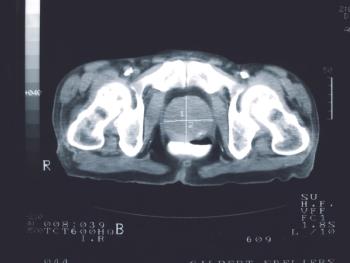
Nubeqa plus androgen deprivation therapy displayed positive radiological progression-free survival results in early trial data.

When my life after stage 4 osteosarcoma felt unclear, I did my best to trust the process. Three years later, here's what happened.