






Menopausal women who take hormonal therapy after surgery for breast cancer may be prone to long-term “chemo brain” – potentially benefitting from cognitive therapy or other interventions.
Menopausal women who take hormonal therapy after surgery for breast cancer may be prone to long-term “chemo brain” – potentially benefitting from cognitive therapy or other interventions.
Because of the rarity of a neuroendocrine tumor (NET) diagnosis, the Healing Net Foundation aims to educate physicians on the disease – an initiative many patient advocates feel can improve outcomes.
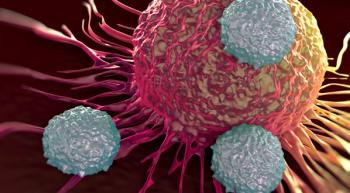
A new analysis of the myMPN Patient Registry has led to some exciting new discoveries, according to researchers.

How a single phone call can change cancer outcomes and improve patient lives.

Although Minority Health Awareness Month is drawing to an end, the fight for equity in healthcare isn’t over.

Evaluations can identify the potential for drug interactions and predict whether older patients are fit for chemotherapy.

The Food and Drug Administration approved Keytruda in combination with Inlyta for the frontline treatment of patients with advanced renal cell carcinoma.
Talking about sex during and after cancer treatment can be tricky. With the issues surrounding cancer in the equation, what is supposed to be unspoken and mystical now requires some good communication.

From Testicular Cancer Awareness Month to a superhero-themed fundraiser, here’s what’s making headlines in the cancer space this week.

Researchers examine genomic mutations with tumor response to Keytruda and Opdivo in patients with GBM, highlighting the potential for a molecular, personalized approach to treat certain patients.
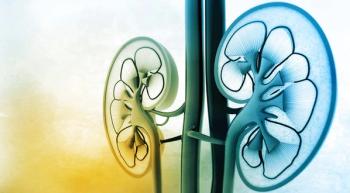
The combination use of Keytruda plus Inlyta significantly improved survival outcomes among patients with previously untreated advanced renal cell carcinoma – the most common type of kidney cancer.
Can a diagnosis of cancer affect a person in a positive way? One survivor seems to think so.
Fans for the Cure is serving as an Advocacy Partner for the Metastatic Prostate Cancer Project (MPCP) — a nationwide genomic research initiative designed for men with advanced or metastatic prostate cancer — and they are working to advance prostate cancer research.

Patients with ovarian cancer tend to underreport their most challenging symptoms; however, an analysis of their online comments could give health care providers insight into how to help.
The PAN Foundation today opened a new patient assistance program for people living with carcinoid syndrome.

The Food and Drug Administration expanded the approval for the first and only companion diagnostic to identify patients with non-small cell lung cancer who would benefit from Keytruda treatment.
Sometimes even a brief encounter with an empathetic medical student can have a powerful effect on a patient.
How can surviving cancer teach us how to endure the discomfort of a common cold and vice versa? Sometimes an ordinary illness can teach us how to vent and exercise self-care beyond self-pity.
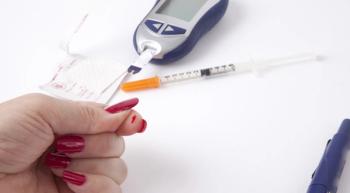
Diabetes may be a risk factor for increased symptoms among breast cancer survivors, particularly for physical and cognitive function, sleep and fatigue.
Dr. Jinsil Seong, Professor at Yonsei University Medical College, is honored for her ground-breaking work in primary liver cancer.

Shared decision-making with health care providers can help to implement a comprehensive pain assessment at baseline and improve outcomes among patients with metastatic cancer.

Researchers found that women who went into menopause before 45 years old were at greater risk for bladder cancer than women who experienced it later.

A Taiwanese study compares disease rates among people who used the medication daily with those who do not.
I probe the scars of cancer treatment and realize they are my salvation.
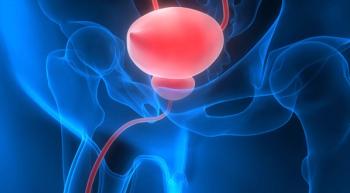
After more than 30 years of relative stability, the treatment landscape for urothelial cancer has seen updates in recent years that provide hope for patients.
The attitude we have makes a huge difference in our lives and with cancer, a positive attitude can help us to live longer!

Despite increased physical activity, nutritional intake behavior among female cancer survivors did not improve with an exercise intervention program, according to a randomized-controlled trial.
A breast cancer survivor who was on the fence about nipple reconstruction after her double mastectomy is glad she proceeded.

Researchers found significant gender and role differences regarding cardiovascular disease incidence and its related health behaviors among cancer survivors and their spouses.

According to survey results, almost 30% of non-muscle invasive bladder cancer survivors experienced at least one PTSD symptom.