Blog|Articles|May 24, 2026
A Genetic Mutation Is Not a Death Sentence
Author(s)Tracy Milgram
Fact checked by: Alex Biese
Listen
0:00 / 0:00
Key Takeaways
- A pathogenic BRCA result is presented as clinically actionable information that enables risk stratification, anticipatory guidance, and self-advocacy rather than determinism about cancer development.
- Emotional sequelae of hereditary cancer risk—hypervigilance, scan-related anxiety, and pervasive uncertainty—are normalized and framed as legitimate targets for structured support.
A BRCA2-positive previvor shares her 20-year journey, offering empowering advice and community support for those navigating genetic mutation news.
Advertisement
Finding out you carry a genetic mutation can feel like the ground disappears beneath you. I know this because in 2004, I heard the words “You are BRCA2 positive,” and in that moment, fear, confusion and uncertainty rushed in all at once. If you are reading this because you have just received similar news, I want you to hear this clearly from someone who has lived it for more than two decades: this is not a death sentence.
A genetic mutation is information, powerful information. It does not define your worth, your future or the fullness of your life. It does not mean you are sick, and it does not mean you will be. What it does mean is that you now have knowledge, and knowledge is power. Power to ask questions, power to advocate for yourself and power to make informed decisions about your body and your life.
When I found out I was BRCA2 positive, genetic testing was not widely understood, and there were far fewer resources than there are today. I felt isolated and overwhelmed, carrying information that even some medical professionals didn’t fully know how to guide me through. I worried about my children. I worried about my family. I worried about the unknown. What I didn’t know then was that this diagnosis would become the very thing that shaped my purpose.
Let yourself feel everything. Fear, anger, sadness, disbelief, all of it is valid. There is no “right” way to respond to this news. But please don’t rush yourself into decisions based solely on fear. Take a breath. Find a medical team you trust. Seek out genetic counselors, specialists and second opinions if needed. This is your body, and you deserve care that listens, explains, and empowers.
One of the hardest parts of carrying a genetic mutation is the mental and emotional weight. The constant “what ifs.” The scans. The appointments. The waiting. It can feel like you are living under a cloud. I want you to know that you are not weak for feeling this way. You are human. And you do not have to walk this path alone.
That is why I founded BRCAStrong, because no one should feel isolated, unseen or unsupported after receiving life-altering genetic information. What started as my pain has become my purpose: to advocate, educate and provide tangible support to previvors, survivors and thrivers, regardless of genetic predisposition. Community changes everything. When you connect with others who truly understand, the fear becomes lighter and the path becomes clearer.
Carrying a mutation does not take away your ability to dream, love, travel, build a career,or live boldly. It may change how you plan, but it does not end your story. I am now a 20-plus year previvor, a mother, an advocate and a woman who has learned that resilience is built one choice at a time. I chose to turn fear into action, silence into advocacy and pain into purpose.
You may be faced with decisions about surveillance, preventative surgery or lifestyle changes. Whatever choices you make should be your own informed, supported and respected. There is no one-size-fits-all path. Strength looks different on everyone. Sometimes it looks like taking action. Sometimes it looks like waiting. Sometimes it looks like simply getting through the day.
Please remember this: You are more than a genetic result. You are not broken. You are not alone. And you are not defined by a mutation. With the right support, education and advocacy, you can live a full, empowered life.
If my journey has taught me anything, it’s this knowledge that can save lives, but compassion sustains them. Hold onto hope. Ask for help. Trust yourself. And know that there is a community standing beside you, reminding you every step of the way: this is not a death sentence. This is the beginning of informed strength.
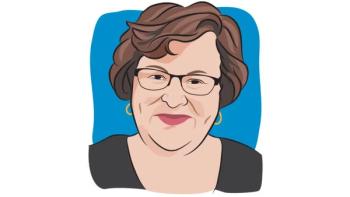
Tracy Milgram is the founder of BRCAStrong.
This piece reflects the author’s personal experience and perspective. For medical advice, please consult your health care provider.
For more news on cancer updates, research and education,
Advertisement
Related Content
Advertisement