










CURE spoke with Kelly Grosklags of Conversations With Kelly at the Miami Breast Cancer Conference.
CURE spoke with Kelly Grosklags of Conversations With Kelly at the Miami Breast Cancer Conference.

Dr. Kevin Kalinsky covers the gamut of the current treatment landscape for patients with HER2-negative breast cancer, highlighting recent advancements.
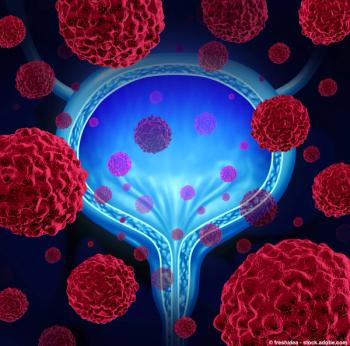
Jelmyto demonstrated long-term efficacy in low-grade upper tract urothelial carcinoma, with most maintaining complete response after several months.

Investigators found that some patients with high-risk nonmetastatic hormone-sensitive prostate cancer were understaged by conventional imaging.

Dr. Joseph Mikhael discusses the overlooked symptoms of multiple myeloma in honor of Myeloma Awareness Month.

Cancer research saved my daughter’s life, and despite setbacks, we must support these efforts to ensure more lives are saved from cancer.

Dr. Deepa Jagadeesh discusses Ordspono's potential FDA approval for relapsed/refractory follicular lymphoma, highlighting its manageable toxicity and low CRS rate.

Blue light cystoscopy had a statistically significant reduction in risk of recurrence versus white light cystoscopy in high-risk bladder cancer.
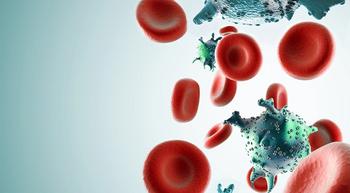
For patients with relapsed/refractory chronic lymphocytic leukemia, extended treatment with Imbruvica and Venclexta was found to be beneficial.

Antihistamines are associated with improvement for patients with metastatic urothelial carcinoma receiving Tecentriq.
Dr. Kevin Kalinsky discusses the role of targeted therapy and clinical decision-making in managing estrogen-driven, HER2-negative breast cancer.

Practicing consistency has made a difference for me while living with stage 4 breast cancer.

Dr. Alan Tan explores circulating tumor DNA, its role in clinical trials and its potential impact on patients with renal cell carcinoma.
Following the Bacillus Calmette-Guérin shortage, the first patient with bladder cancer has been dosed with recombinant Bacillus Calmette-Guérin in the U.S.

Dr. Chandler Park sat down for an interview with CURE® to discuss the biggest takeaway from the 2025 ASCO GU Symposium in terms of prostate cancer therapy.
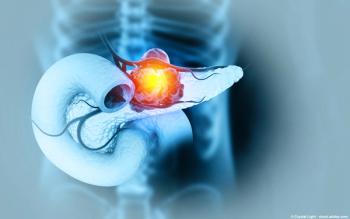
The phase 2 TEDOPaM trial evaluating patients with advanced or metastatic pancreatic ductal adenocarcinoma met its primary end point.
It’s easy to think of scientific researchers as existing in a vacuum.

Nutrition is a challenge for many patients with cancer.

Cancer is one of the most expensive medical conditions to treat in the U.S.

Our longtime editor-in-chief offers advice to his successor while discussing the news and education CURE magazine provides for patients with cancer, families and caregivers.

When my spouse and I both faced cancer, maintaining a positive attitude, seeking support, listening empathetically and managing stress helped us through it.

The first patients have been enrolled in the HEROES trial, exploring de-escalation of anti-HER2 therapy in metastatic HER2+ breast cancer using circulating tumor DNA.

Dr. Kandace P. McGuire discusses how targeted axillary staging differs from traditional methods of staging in patients undergoing breast cancer treatment.

RECKGIST score may predict recurrence in neurofibromatosis type 1 GISTs, potentially guiding treatment decisions, according to study findings.
Kelly Grosklags discusses how oncologists can guide patients in shared decision-making while managing expectations following a breast cancer diagnosis.
This month’s Research Spotlight highlights significant advancements in pancreatic cancer research and patient support.
The first patient has been enrolled in the phase 3 PROSTATE-IQ trial being conducted in men with prostate cancer recurrence following a prostatectomy.

Life-threatening lung cancer has taught me many valuable lessons and made my new normal so fulfilling.

Vepdegestrant improved progression-free survival in patients with estrogen receptor 1 mutations in advanced ER-positive, HER2-negative breast cancer.

JAK inhibitor treatment is associated with a reduction in risk of thromboembolic events for patients with myeloproliferative neoplasms.