








Fifteen years after being diagnosed with small lymphocytic lymphoma, I’ve found healing and meaning in the work I love and the life I’m grateful to live.
Fifteen years after being diagnosed with small lymphocytic lymphoma, I’ve found healing and meaning in the work I love and the life I’m grateful to live.

Heather Patenaude, B.S.N., RN, displays the highest level of technical skills necessary to provide compassionate care to her patients.

Dr. Andrew M. Evens discusses some of the recent research advancements in AYA lymphoma care that have emerged through clinical trials and initiatives.

After my breast cancer treatment, I started a clothing bank to give others free access to recovery items like post-surgery shirts and pillows.

I urge researchers to look into why side effects occur in cancer drugs and to find ways to mitigate them that doesn’t impact their efficacy.

GLP-1 drugs lowered rates of obesity-related cancers and death versus DPP-4s, with no increased cancer risk, study finds.
Dr. Andrew M. Evens discussed the importance of differentiating AYA cancers from other age groups, specifically focusing on lymphoma care.

Itovebi plus Ibrance and Faslodex improved overall survival in patients with PIK3CA-mutant, HR+, HER2–, endocrine-resistant breast cancer versus placebo.
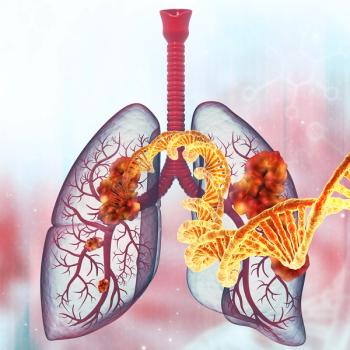
Among patients with ES-SCLC, first-line maintenance therapy with Zepzelca plus Tecentriq led to improvements in PFS and OS versus Tecentriq alone.

Avoiding smoking, eating a high-fiber diet and routine screenings are key to reducing the risk of recurrence in colorectal or anal cancer.

When I saw a study about using AI facial recognition in cancer decision-making headlines, I decided to try my own informal, non-scientific experiment.

The FDA’s ODAC has voted against the risk/benefit profile of two targeted therapies for the treatment of bladder and prostate cancer, respectively.
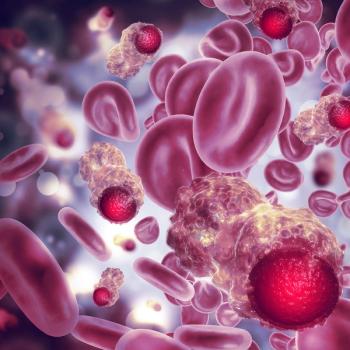
A patient with relapsed follicular lymphoma achieved complete remission one month after PMB-CT01 treatment in the phase 1 PMB-102 trial.
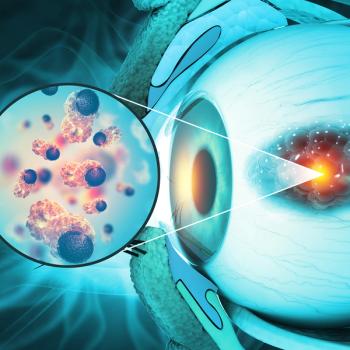
DPOAE testing showed no hearing loss in children with retinoblastoma treated with intra-arterial paraplatin, suggesting preserved cochlear function.
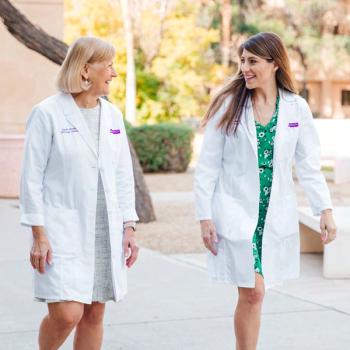
Gayle S. Jameson, M.S.N, ACNP-BC, AOCN, is a trailblazer whose expertise and compassion have made a profound impact on oncology care.
JAK inhibitors ease symptoms in myelofibrosis, but only stem cell transplant offers a cure; newer drugs aim to fill unmet needs, especially for anemia.

Dr. Shirley D’Sa discusses how treatment strategies for WM have evolved over the course of her career.

I'm a follicular lymphoma survivor, and hearing others name the quiet, lasting changes of life after cancer made me feel seen and understood.
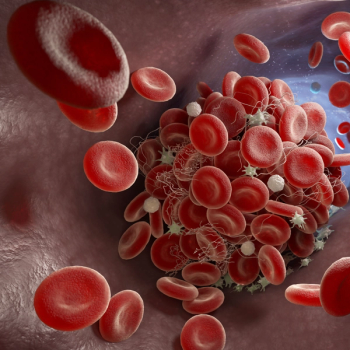
The FDA'S ODAC has casted their votes on the use of certain treatments in both the relapsed/refractory DLBCL and myeloma patient populations, respectively.

ZL-1310 earns fast track designation in extensive-stage small cell lung cancer after early trial data showed tumor shrinkage in most patients treated.

I’ve lived with large granular lymphocytic leukemia for 16 years and have learned to spend my energy wisely, embrace palliative care and choose joy over anger.
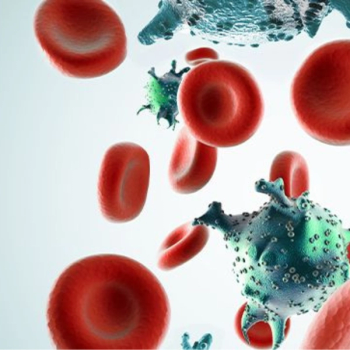
I found purpose after my AML diagnosis by reflecting on loss, embracing gratitude and using my experience to help others through their own cancer journeys.
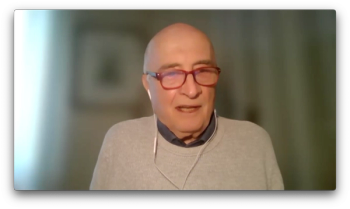
Arterial thrombosis may occur years before cancer diagnosis, suggesting it could be a risk factor, according to Dr. Tiziano Barbui.

Proton therapy may reduce urinary, bowel and sexual side effects in prostate cancer by minimizing radiation exposure to healthy tissue, per Dr. Curtiland Deville Jr.

I’ll never forget the unnamed nurse who stayed calm and gentle while treating me during a dangerous post-surgery infection that could have ended my life.

Tumors shrank more with the addition of acoustic cluster therapy to chemotherapy in colorectal liver metastases in the phase 1 ACTIVATE trial.

Dr. Kelly Stratton answered the most frequently asked questions in prostate cancer regarding localized prostate cancer care, including surgery and focal therapy.

CURE spoke with experts about what life is like for patients in the survivorship care period.

Younger patients with lung cancer are more likely to have mutations that allow for targeted therapies, which can lead to more personalized and effective treatment.
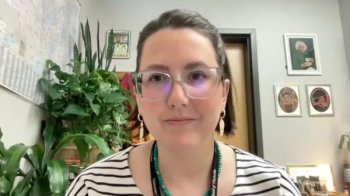
Carly Stafford Dixon, discusses how she approached fertility preservation after her diagnosis of primary mediastinal b-cell lymphoma, a rare blood cancer.