





According to a phase II study, an immunotherapy targeting HPV-infected cells led to a one-year survival rate among patients with recurrent metastatic cervical cancer.
According to a phase II study, an immunotherapy targeting HPV-infected cells led to a one-year survival rate among patients with recurrent metastatic cervical cancer.
Oncological societies see President Donald Trump’s fiscal year 2018 budget proposal as a huge potential setback to health efforts in the fight against cancer.

Researchers at University of North Carolina have developed a tool that evaluates a patient’s muscle mass and quality and could help predict which patients are at high risk for chemotherapy toxicities.

Neurofeedback, a type of functional brain training, can be used to reduce chemotherapy-induced peripheral neuropathy in patients with cancer.

Watching current health care debates, we need to take deep breaths and trust that intelligent, compassionate people will make responsible choices affecting a nation. Writing letters to support our choices can help.
Cancer survivor struggles to stay positive while supporting a newly re-diagnosed family member and friend.

In an interview with CURE, Arlene O. Siefker-Radtke, M.D., discusses immune treatment and the immune landscape for the treatment of patients with urothelial cancers.

Results from a randomized trial suggest maintenance chemotherapy after debulking surgery and adjuvant platinum-based chemotherapy do not improve overall survival rates among women with ovarian cancer who had achieved remission.
Actually, sometimes patient knows best.
When breast cancer patients are misclassified by subtype, it can mean the best treatment options are delayed.

Hormonal maintenance therapy may be able to improve PFS rates for some patients with ovarian cancer, according to a recent study.

Neoadjuvant treatment may decrease the amount of surgery some women with breast cancer need to have, says Debu Tripathy, M.D.

A recent study found that a person's diet, particularly the amount of antioxidants they eat, can have an impact on lung cancer risk.
You readily see the physical changes caused by cancer, but what goes on in your mind is just as noteworthy.
There are times when talking to another cancer patient, someone just like you, could be the key to better coping and a better life with this disease. Join a conversation, make a call, go online to make a positive change.

James Brugarolas, M.D., Ph.D., discusses the importance of spotting the difference between a metastatic kidney cancer lesion and a separate lung cancer. The difference can save patients' lives.
Receiving a diagnosis of NED (no evidence of disease) is reason for celebration!
Breast cancer and melanoma survivor says you are allowed to feel what you are feeling, whatever that is.

Keytruda (pembrolizumab) was approved for the treatment of refractory or relapsed Hodgkin lymphoma.
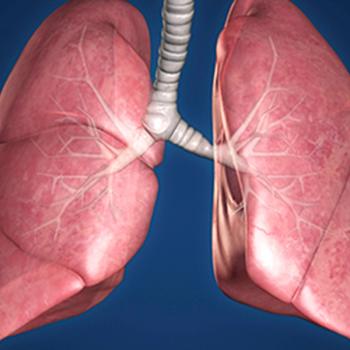
Immunotherapy has drastically shaped the treatment of lung cancer. Vassiliki A. Papadimitrakopoulou, M.D., looks forward to what's next.

New guidelines may result in a small percentage of patients with breast cancer being misclassified and not receiving proper treatment, Michael F. Press, M.D., Ph.D., says.
My chemo’d brain and five ways that help me remember not to forget.
Only in a family like mine, where breast cancer comes up fairly often, would my daughter Kirtley call me into the bathroom to see a pimple on her breast at age 14.
Kisqali (ribociclib), a CDK 4/6 inhibitor, gained approval from the Food and Drug Administration (FDA) for the frontline treatment of postmenopausal women with hormone-receptor (HR)–positive, HER2-negative advanced breast cancer.

Multiple trials are testing the potential of immunotherapy combinations in breast cancer. The results are exciting, explains Elizabeth A. Mittendorf, M.D., Ph.D.
I guess I’m old school when it comes to a cancer diagnosis. I have always assumed there are three types of cancer—the good (which is a diagnosis of “no cancer”), the bad and the ugly.
After surgery and treatment, some breast cancer survivors may develop fibromyalgia. Medication can help, but it's an individual choice to take it.

Teaching the patient and caregiver reportable signs and symptoms and when to call the doctor cannot only save their line, but, more importantly, can save their life.” — WENDY A. NUNEZ , R.N.

Leo I. Gordon, M.D., discusses an exciting new trial for patients with non-Hodgkin lymphoma.
Reflections of sharing our story over this past year