







Fotivda preserved quality-of-life scores in kidney cancer, with better outcomes in second-line use and no added benefit from combining with Opdivo.
Fotivda preserved quality-of-life scores in kidney cancer, with better outcomes in second-line use and no added benefit from combining with Opdivo.

Hiking helped to sustain me through cancer treatment, with its emphasis on fresh air, natural wonders, and the companionship of friends.

ACRO Accreditation is the only U.S. radiation oncology accrediting body to acieve ISO 9001:2015 Certification.
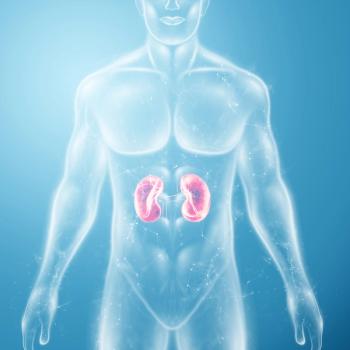
PD-1 treatment may help by shifting certain immune cells to fight diseases like kidney cancer; higher CD163-positive TAMs are linked to better outcomes.

Adding SCIB1 or iSCIB1+ to standard treatments helped more patients with advanced melanoma respond and live longer without extra side effects.
Ojjaara helps patients with myelofibrosis by reducing spleen size, easing symptoms, and improving anemia to boost independence from blood transfusions.

After ovary removal to prevent cancer, the sudden loss of estrogen reshaped my health and life, showing the need for better care and awareness for women like me.

Dr. Zhaoming Wang discussed how childhood cancer treatments can speed up biological aging and impact survivors’ health long after treatment ends.
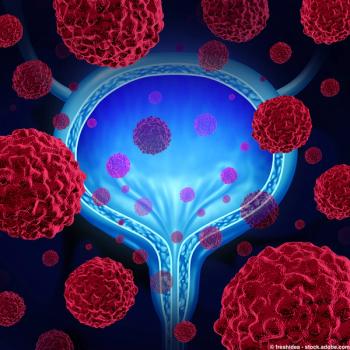
Patients with high-risk bladder cancer reported similar quality of life when treated with sasanlimab plus BCG versus BCG alone, new study data showed.

I share my challenges and healing journey through colon cancer treatment, emphasizing mindset, self-healing and a newfound appreciation for life.
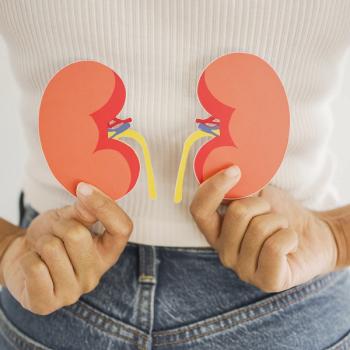
Adding casdatifan to Cabometyx therapy showed encouraging activity and was generally well tolerated in previously treated clear cell renal cell carcinoma.
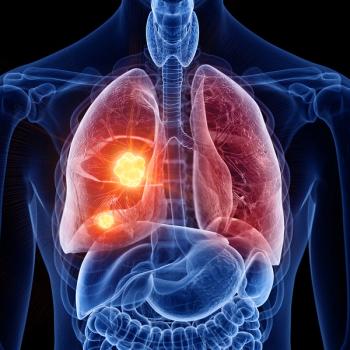
The FDA granted fast track status to DB-1310, a HER3-targeting antibody-drug conjugate, for advanced nonsquamous non-small cell lung cancer.
Enabling patients to generate CAR T-cells internally could cut kidney cancer therapy costs, explained Dr. Wayne Marasco of Dana-Farber Cancer Institute.

Even six years after brain tumor surgery, invisible symptoms like brain fog and memory loss shape how I live, cope, and find gratitude every day.

A system that alerts doctors when high-risk cancer patients are admitted helped reduce hospital readmissions and shorten hospital stays in a recent study.

Samantha Bianzon explained what biology-guided radiation therapy for cancer is, as well as highlighted how it may differ from the more traditional types of radiation.

Living with Lynch syndrome, nature’s quiet resilience teaches me to accept change, find calm, and stay rooted through life’s unexpected twists and storms.

Data from the KEYNOTE-B61 trial show tumor shrinkage in different types of kidney cancer, including papillary and chromophobe subtypes.
Tagrisso with chemo significantly improved survival and progression-free outcomes versus Tagrisso alone in newly diagnosed advanced EGFR-mutated lung cancer.

Disparities in cancer care can often lead to delays, disruptions, and barriers to timely treatment, leading to an unmet need in the community treatment space.

Keeping my part-time teaching job during breast cancer treatment gave me purpose, connection and strength — and it helped me rediscover my voice as a writer.
Q-TWiST may help patients with advanced kidney cancer and their doctors weigh treatment options by focusing on quality of life, not just disease control.
Stereotactic body radiotherapy costs less and has shown better safety compared with immunotherapy and tyrosine kinase inhibitors in patients kidney cancer.

Treatment with Zusduri had a median duration of response of 3.5 years and event-free survival of two years in low-grade intermediate-risk bladder cancer.

IV infiltration and extravasation remind this cancer patient of the constant challenges of speaking up and advocating for their own care.

Billions of dollars of cancer meds go to waste each year while many patients struggle to afford treatment; donating surplus medicine helps bridge this gap.
Dr. Ari Hakimi highlighted how tumor profiling and molecular markers are expanding access to precision-based trials for kidney cancer.
Welireg improved quality-adjusted survival time versus Afinitor in advanced renal cell carcinoma, extending progression-free survival and reducing side effects.
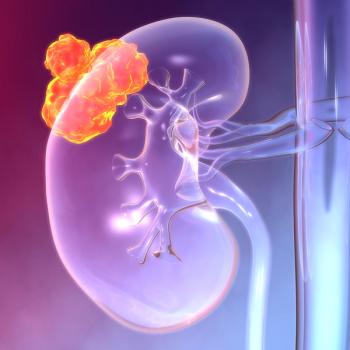
Researchers are building on the success of CAR T therapy in blood cancers to explore its use in clear cell renal cell carcinoma, a type of kidney cancer.
Early data suggest personalized neoantigen vaccines activate the immune system and sustain tumor control in some patients with kidney cancer.