
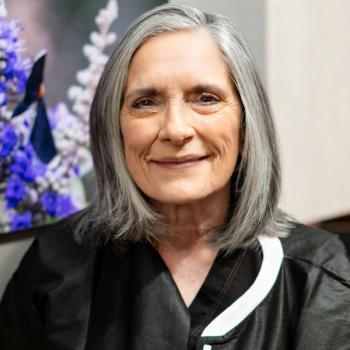
The nursing profession is home to countless extraordinary.
The nursing profession is home to countless extraordinary.

Among patients with non–muscle-invasive bladder cancer, neoadjuvant mitomycin demonstrated favorable safety.
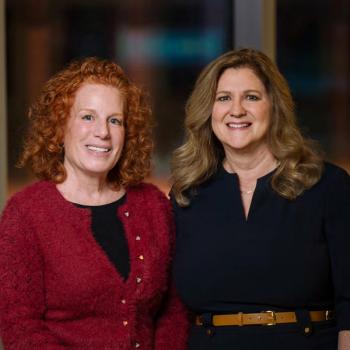
Reflecting upon my relationship with Jill over the past 25 years, I am in awe of all she has accomplished.
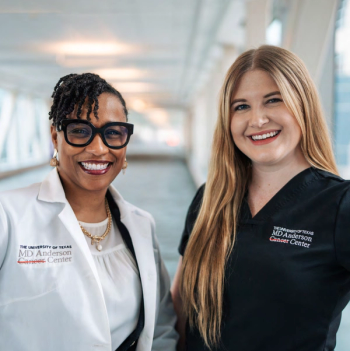
Mikela Pettigrew, B.S.N., RN, OCN,, exemplifies extraordinary compassion and dedication. Every day, she fulfills a promise she made as a young caregiver.
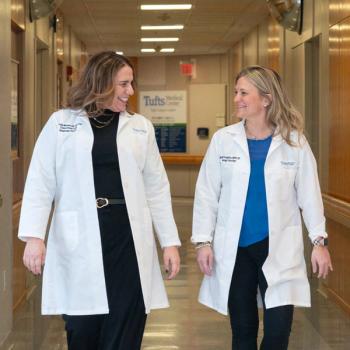
Kathleen Coughlin, although small in stature, is often referred to as the “Bulldozer.”
“Don’t aspire to make a living. Let’s aspire to make a difference in the Mandarin/Cantonese-speaking community.”

The journey that led to the creation of the Extraordinary Healer Award for Oncology Nursing began with a simple, yet profound, observation.

Erleada reduced the risk of death by more than 20% compared with other treatments in metastatic castration-sensitive prostate cancer.

FDA grants orphan drug designation to HLX22 for gastric cancer, with a phase 2 trial showing improved progression-free survival and objective response.
CAR-T therapy for myeloma faces challenges in early-line use due to accessibility, eligibility criteria and long wait times, despite strong efficacy in trials.
Camrelizumab combo doubled the five-year survival rate in advanced squamous lung cancer, reducing mortality risk by 43%, in a Phase 3 trial.
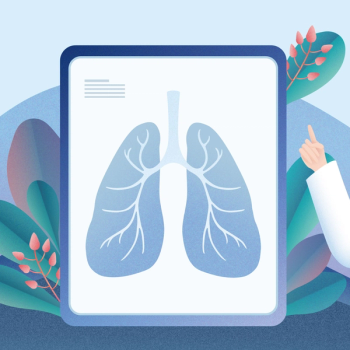
Tagrisso is associated with positive outcomes among patients with unresectable stage 3 EGFR-mutant non-small cell lung cancer.
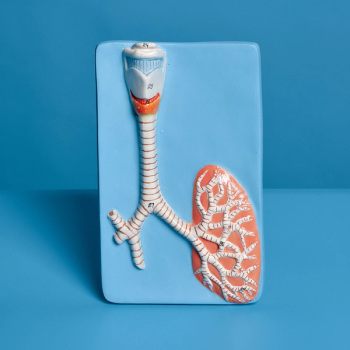
The COCOON trial regimen reduced dermatologic side effects in patients with EGFR-mutant non-small cell lung cancer, phase 2 trial data showed.
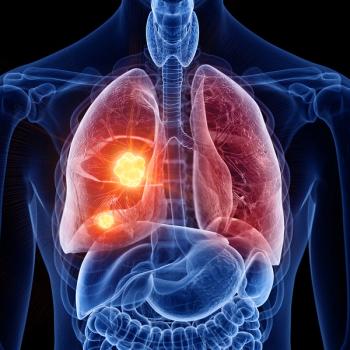
First-line Rybrevant plus Lazcluze significantly extended overall survival versus Tagrisso in mutated, advanced or metastatic non-small cell lung cancer.
Dr. Cesar Rodriguez discussed treatment advancements for multiple myeloma during a CURE Educated Patient® Summit.
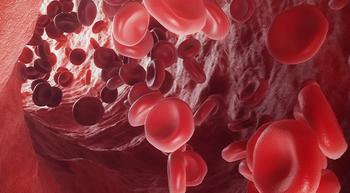
A panel of experts discussed the transition of care between community and academic centers at the CURE Educated Patient Multiple Myeloma Summit.

Dr. Emre Yekedüz discusses his top 3 key takeaways from attending the 2025 ASCO Genitourinary (GU) Cancers Symposium.
Registered nurse Patricia Jakel emphasizes the importance of educating patients on evolving breast cancer research and the need for routine screenings.

Dr. Sara M. Tolaney discussed HER2-positive breast cancer, highlighting key trials, evolving treatment strategies, and the potential for improved outcomes.
Dr. Debu Tripathy highlights the importance of staying informed on breast cancer advancements and how this empowers patients to make informed decisions.

Itovebi, approved for some patients with breast cancer, is the first PI3K inhibitor to display a survival benefit, according to Dr. Kevin Kalinsky.

Gene expression testing helps determine chemotherapy needs for HR+ breast cancer, optimizing treatment and reducing unnecessary toxicity.

Genetic and genomic testing guide breast cancer risk assessment and treatment, as discussed by Dr. Mark Robson at the Miami Breast Cancer Summit.

CURE spoke with Kelly Grosklags of Conversations With Kelly at the Miami Breast Cancer Conference.

Dr. Kevin Kalinsky covers the gamut of the current treatment landscape for patients with HER2-negative breast cancer, highlighting recent advancements.
Dr. Kandace P. McGuire discusses how targeted axillary staging differs from traditional methods of staging in patients undergoing breast cancer treatment.
Kelly Grosklags discusses how oncologists can guide patients in shared decision-making while managing expectations following a breast cancer diagnosis.
Dr. Sara M. Tolaney discusses breast practices associated with CDK4/6 inhibitors for the treatment of breast cancer.
Dr. Laurence Albiges discusses triplet therapies, highlighting which patients with RCC may garner the most benefit with this treatment intensification.