
Diagnosed with myeloma in 2017, Oya Gilbert highlights self-advocacy, emotional well-being and culturally relevant outreach for underserved patients.

Spencer, Assistant Editor of CURE®, has been with MJH Life Sciences since 2024. A graduate of Rowan University with a bachelor's degree in health communication, Spencer manages CURE's Facebook, Instagram and YouTube. He also enjoys spending time with family and friends, hiking, playing guitar and rock climbing.
Diagnosed with myeloma in 2017, Oya Gilbert highlights self-advocacy, emotional well-being and culturally relevant outreach for underserved patients.

Early trial data suggest Olvi-Vec may shrink or control cancer after platinum therapy, with safety signals in small cell and non-small cell lung cancer.

Your educational guide during a colon cancer diagnosis, including what to expect for screening, staging, treatments and managing side effects.

The FDA approved six new therapies for blood, prostate and lung cancers and supportive care, expanding treatment options based on recent trials.
An expert discusses how precision oncology, immunotherapy, biomarker testing and clinical trials are expanding treatment options for patients with gastric cancer.
Early-phase studies showed INCA033989 led to spleen reduction, symptom improvement and anemia responses in patients with calreticulin-mutated myelofibrosis.
CURE was on site at the 2025 ASH Annual Meeting, sharing expert conversations and patient-focused reporting that highlighted progress in blood cancer care.

Ceralasertib plus Imfinzi failed to improve overall survival versus docetaxel in a phase 3 study of previously treated non-small cell lung cancer.

Integrative oncology combines standard treatment with evidence-based complementary therapies to manage symptoms and empower patients.

The FDA granted accelerated approval to Lunsumio VELO for adults with relapsed/refractory follicular lymphoma after two or more prior treatments.

This patient guide explains triple-positive breast cancer, including treatment options, side effects and more to support informed conversations.
Dan describes how early self-advocacy, second opinions and trial research helped him pursue experimental treatments that led to remission from stage 4 pancreatic cancer.

The FDA granted fast track status to muzastotug plus Keytruda for adults with microsatellite stable metastatic colorectal cancer without liver metastases.

Six-year phase 3 follow-up showed adding Loqtorzi to chemotherapy nearly doubled survival for recurrent or metastatic nasopharyngeal cancer.

The FDA approved Akeega combination therapy for adults with BRCA2-mutated metastatic castration-sensitive prostate cancer.
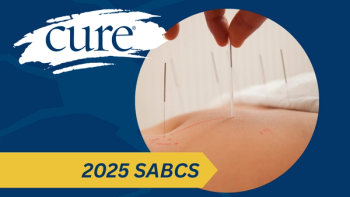
Real and sham acupuncture improved perceived cognitive function versus usual care, with real acupuncture showing greater benefits for objective cognitive outcomes.
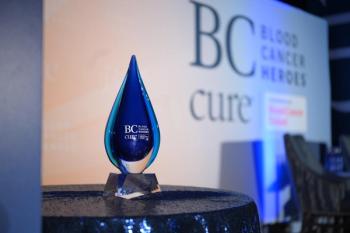
CURE honored four individuals whose compassion and leadership shaped support education and empowerment for people living with blood cancers.

This guide explains how squamous cell lung cancer is diagnosed and treated at each stage to help patients talk openly with their oncology team.

IGV-001 improved survival for newly diagnosed glioblastoma in a phase 2b trial, with patients living a median 20.3 months and no serious safety issues.

Optimism, treatment momentum and communication gaps drive late systemic therapy, increasing hospitalization and intensive care use for patients with cancer.

The FDA approved Armlupeg as a biosimilar to Neulasta to reduce infection risk in people receiving chemotherapy and those exposed to radiation.

This guide explains diagnosis, staging, molecular testing and treatment options for non-small cell lung cancer to help patients prepare informed questions.

Triple-negative breast cancer often needs chemotherapy, surgery, radiation or immunotherapy, and early diagnosis can support strong outcomes.

In this Q&A, Emma and Paul share how self-advocacy and communication shaped their experience with hepatocellular carcinoma after an unexpected diagnosis.
An expert explains how minimally invasive surgery helps remove smaller lung areas with quicker recovery and improves outcomes for patients with early-stage lung cancer.

Dr. Charles M. Rudin highlights T cell engagers, antibody-drug conjugates and emerging strategies showing early benefits for small cell lung cancer.

Sac-TMT plus Keytruda improved time without cancer growth in people with advanced lung cancer whose tumors show programmed death ligand 1.

Early data indicate Voranigo is rapidly being used in newly diagnosed and previously treated patients with IDH-mutant glioma, highlighting ongoing treatment needs.
Keytruda and Padcev improve event-free and overall survival for adults with muscle invasive bladder cancer who cannot receive cisplatin after surgery.

Giredestrant improved invasive disease-free survival for people with estrogen receptor-positive early breast cancer compared with standard treatment.