





Although the absolute risk for colorectal cancer is very low for young people, one expert warns the incidence is increasing.
Although the absolute risk for colorectal cancer is very low for young people, one expert warns the incidence is increasing.

One survivor on "New Normals" and living through "apocalyptic" times that reveal who we really are.
Researchers from China examined the impact that coronavirus has on patients who are receiving anti-cancer treatment.

The development of an inpatient symptom monitoring intervention, according to researchers, may enhance awareness of patient symptom burden and improve symptom control and health care usage.
One survivor reflects on how quarantine amid the coronavirus outbreak is impacting her life and reflects on current events.

The Food and Drug Administration approved Imfinzi in combination with certain standard-of-care chemotherapies in extensive-stage small cell lung cancer, as the therapy improves median overall survival.
30 years after cancer treatment, one survivor returns to the Ronald McDonald House that made a major difference in their cancer journey.
Making sense of a difficult situation feels like wading through quicksand. The more we struggle, the deeper we get. However, cancer survivors know how to face the fear of uncertainty even the uncertainty of the COVID-19 pandemic.
Survival strategies for her best life help this metastatic cancer patient navigate a new world in the wake of the COVID-19 pandemic.
What can cancer survivors do to cope and process the scale of the COVID-19 pandemic?
While patients with cancer and survivors face extra risk due to the COVID-19 pandemic, they are more adept at handling the uncertainty and fear than one may think.

From patients having to reschedule treatment appointments due to the novel coronavirus (COVID-19) outbreak, to clinical trials being put on hold, here’s everything you need to know about how the COVID-19 pandemic is impacting patients with cancer.

Dr. Shelley Johns, a researcher with the Indiana University Melvin and Bren Simon Comprehensive Cancer Center and Regenstrief Institute, offers advice on how survivors and patients with cancer can recognize and manage the stress they may be experiencing as a result of the COVID-19 pandemic.

Estimates indicate that cancer will become the number one leading cause of death in the United States over the next five to 10 years. But, as one expert argued in a policy roundtable, there are ways to significantly decrease that rate.

Many health systems that treat people with cancer are recommending virtual visits, both for patients who need routine checkups and those who suspect they have the virus known as COVID-19.
In the time of this pandemic, we're all in this together and need to give back where we can.

Researchers suggest that patients with advanced non-small cell lung cancer who have limited daily functions should be better educated about therapy decisions.

Here is a list of the recent trial initiations that occurred within the cancer space in March.
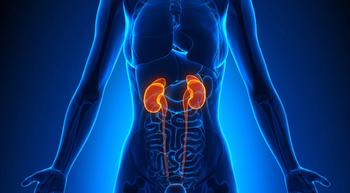
Once a patient progresses following initial treatment for kidney cancer, one expert says TKIs are the next step in therapy.

CURE continues its Recipe Swap with an easy vegetable dish from reader and registered/licensed oncology dietitian, Caryn F.
Be well and use good judgment at this time to manage your medical care, but don't be afraid to ask and inquire about accommodations that can be made to support your overall well-being.

A medication that is commonly prescribed to treat depression appeared well tolerated in patients with biochemical recurrent prostate cancer.

The needs of patients with cancer, their caregivers and care teams remains a “top priority,” according to the FDA.

Different combinations of immunotherapy with chemotherapy are helping patients with renal cell carcinoma live longer.
Many patients with cancer and their caregivers have already had to live through their own forms of social distancing during intense treatment journeys. These lessons can provide perspective on the current COVID-19 pandemic and social distancing.

The Food and Drug Administration approved an updated dose of Ontruzant, a biosimilar to Herceptin, for multiple cancer types.

The number of coronavirus (COVID-19) cases in the United States continues to grow, which could be extremely stressful for patients with cancer and their loved ones – especially as certain cancer therapies may cause a person to be immunocompromised.

Women who use copper intrauterine devices (IUD) as a form of birth control may be at lower risk for high-grade cervical cancer compared with those who use a levonorgestrel-releasing intrauterine system.
I'm keeping hope alive that eventually, we'll get through the other side of the COVID-19 pandemic. One day at a time like anything else.

The COVID-19 pandemic will continue to alter how patients with cancer receive their treatment, and experts within the United States who saw the virus strike early are offering their advice to other hospitals just starting to feel the effects.