

As up to 42% of patients with cancer may be using cannabis, one expert spoke to CURE® to separate cannabis myths from reality.
As up to 42% of patients with cancer may be using cannabis, one expert spoke to CURE® to separate cannabis myths from reality.

Before patients receive Enhertu for HER2-positive solid tumors, it’s important to know about the potential side effects.
For patients with lymphoma or multiple myeloma, speaking up about symptoms of cytokine release syndrome can be lifesaving.

A cognitive behavioral therapy for insomnia may help cancer survivors, along with ways to manage insomnia via sleep pressure, an expert told CURE®.

The blood pressure medication enalapril did not prevent cardiotoxicity among patients with cancer being treated with chemotherapy.

Compared to other treatments, patients’ testosterone levels return to baseline levels faster following treatment with Orgovyx.

Exercise and physical activity can help patients with advanced breast cancer, especially with quality of life, two experts told CURE®.

Certain patient characteristics may put them at an increased risk for chemotherapy-related kidney injury, recent research found.

Experts from City of Hope explain the importance of symptom management and care planning during cancer.

Musical play engages children with cancer, which relieves stress for them and their parents/caregivers, an expert said.

Certain oral chemotherapies may cause hand-foot syndrome, but reducing the dose of the drug allows it to heal, an expert told CURE®.

During the CURE Educated Patient® Breast Cancer Summit, an expert discussed her professional and personal experience with side effect management in metastatic breast cancer.

It’s key for patients with cancer to avoid certain food items, such as artificial sweeteners, as they increase junk food cravings, an expert said.
An expert gives an overview of common endocrine-related side effects that premenopausal women with breast cancer may experience — and what can be done to address them.

We asked our audience of patients and survivors about their thoughts on the use of cannabis during cancer. Here’s what they had to say.
In addition to a breakthrough therapy designation for a lung cancer drug, this week we’ll be talking a lot about additional side effects and health conditions that may come with a cancer diagnosis, and how to manage them.
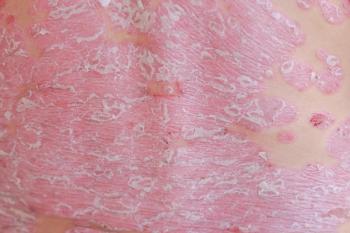
The skin microbiomes of patients with breast cancer who received radiation therapy may affect whether they get radiation dermatitis, a study showed.

“The biggest thing that I hate to see happen is that those conversations don't even happen [around cannabis and cancer],” said Dr. Brooke Worster.
Sociodemographic factors affect some survivors who may not have easy access to health care or healthy food, reducing their health-related quality of life.

Michelle Anderson-Benjamin, who received a diagnosis of metastatic breast cancer in 2022, works as a death doula to provide end-of-life support to patients and their families.

An oncology nurse discusses how virtual reality can be used to educate patients and decrease stress before treatment or while in palliative care.

Straying away from standard-of-care chemotherapy can improve quality of life without sacrificing outcomes in older patients with advanced cancer.
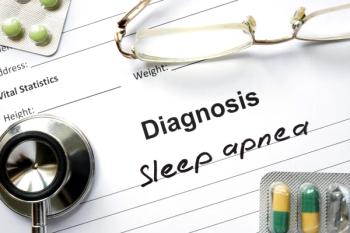
“Sleep apnea assessment must be a part of routine risk assessment for patients undergoing cancer therapeutics,” one researcher stated.

Survivors who were more physically active may experience less pain than survivors who were not as physically active, research found.
Last week, we saw a few moving parts in the regulatory space, from new NCCN guidelines for pediatric neuroblastoma treatment to FDA Fast Tracks and Priority Reviews
A 2.5-mg dose of olanzapine provided similar control of nausea/vomiting as the standard 10-milligram dose in patients with solid tumors receiving chemotherapy.

A digital tool for caregivers of patients with cancer in hospice care significantly reduced some of the caregiver burden while improving their mood.
Slower infusion rates of antiemetic drugs may help manage nausea and vomiting in patients with gastric or gastroesophageal junction cancers.
Some treatment-related cardiovascular events, such as atrial fibrillation, may be more common in patients with non-small cell lung cancer, research shows.
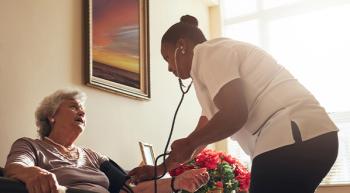
There were certain characteristics associated with a perceived loss of dignity in patients with cancer, according to recent research.