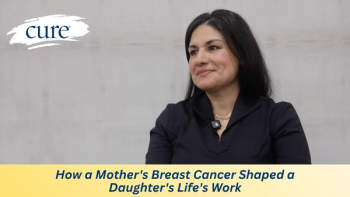
Rina Bello was working at Bay Area Cancer Connections when her mother was diagnosed with breast cancer. Today she leads the organization, which has offered free support to patients and caregivers for 33 years.
Tears flowed as I perfected the art of a quiet, polite breakdown, and then my amazing oncology case manager nurse, Stacey Patterson, B.S.N., RN, OCN, appeared.
On round 13 of 16 chemotherapy treatments, I broke down. The reality of what is one of the deadliest, rarest cancers — inflammatory breast cancer — had taken finally a toll. I had lost myself and my dream job as a travel nurse in the emergency department. I was alone and extremely sad. Being a nurse myself, I didn’t want to bother the busy infusion nurses, so I sat and cried alone. Tears flowed as I perfected the art of a quiet, polite breakdown, and then my amazing oncology case manager nurse, Stacey Patterson, B.S.N., RN, OCN, appeared.
I first met Stacey at my original chemo appointment. I was 32 years old, and Stacey recognized my unique needs, tailoring care to me. She suggested support groups for young people with breast cancer, which is where I’ve found the best support system.
Stacey also knew I’d want someone I would have easy access to. I didn’t want to call the office, leave a message and wait. Stacey gave me her email address and encouraged me to reach out whenever I needed at any point in my treatment, even if it was just for a pick-me-up message. This has led to an amazing relationship where she’s even sent memes to celebrate victories.
Stacey has shown me what it means to be an extraordinary nurse. Through the support she provides, Stacey eases the load for patients with cancer and doctors alike. She has become my nurse idol and the one I want to emulate in my own practice. Nurse Stacey is simply the best (or breast) nurse.
For more news on cancer updates, research and education, don’t forget to